
Koh Lanta motorbike and scooter rental: a straight guide
Which scooter suits which rider, what to check before you accept a bike, how the deposit question actually works on Lanta, and the roads that catch people out.
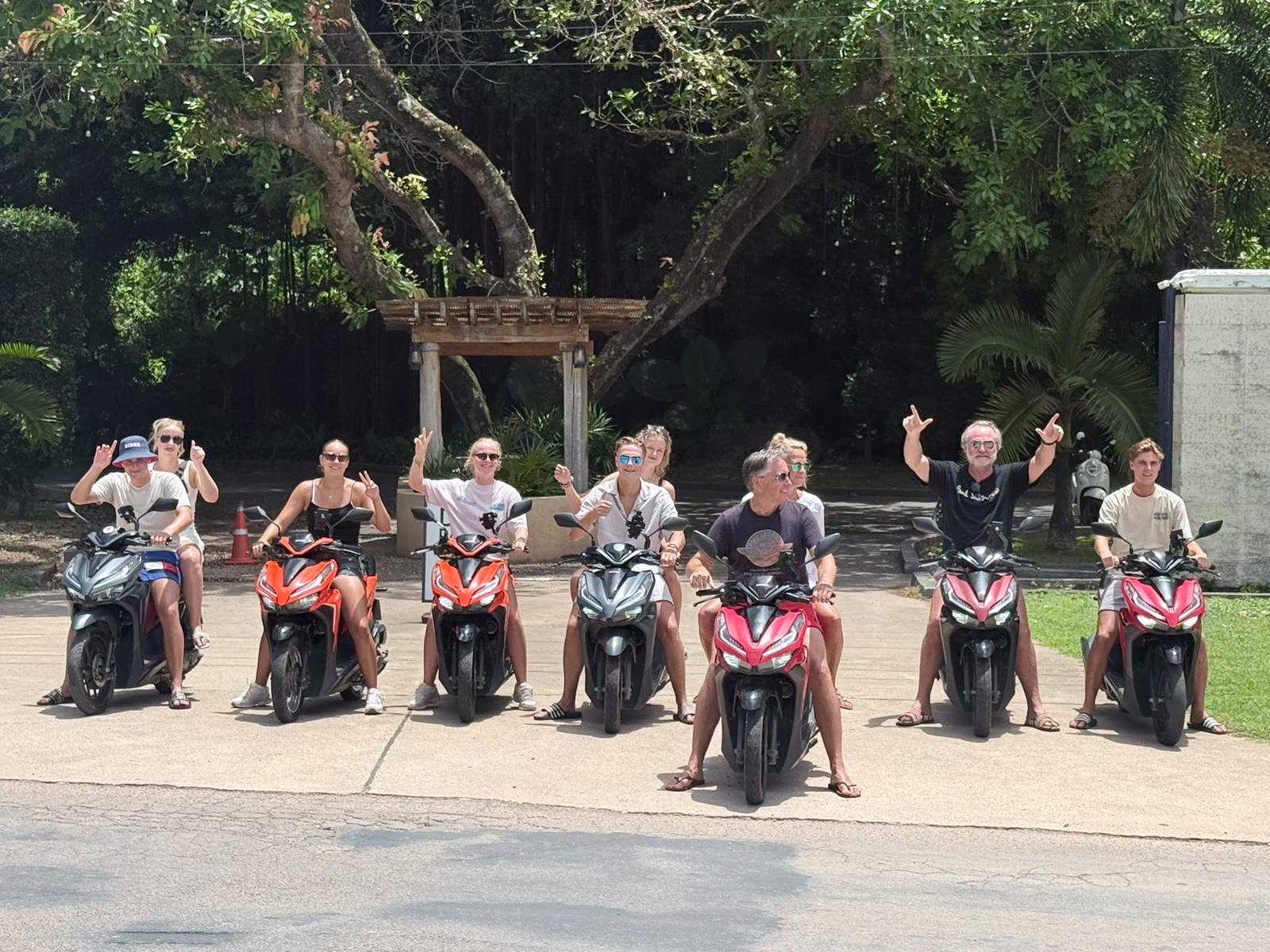
Koh Lanta Yai is about thirty kilometres from the pier at Saladan in the north to the national park gate at the southern tip. There is one main road down the west coast and a quieter one up the east. Almost everything worth seeing is strung out along them, and almost none of it is walkable from anywhere else.
That is the whole case for renting a bike here. It is not about saving money on taxis; it is that the island only really opens up when you can stop where you like. This guide covers choosing one, checking it properly, and the handful of roads that genuinely catch people out.
Which scooter actually suits you
Nearly everything rented on Lanta is a twist-and-go automatic. You do not change gear, there is no clutch, and the only controls are two brake levers and the throttle. If you have ridden a bicycle and can balance at walking pace, the mechanics are not the hard part — traffic and hills are.
Engine size is the real decision, and it is mostly about weight rather than bravado. A 125 is light, cheap on fuel and easy to park. Two adults plus a day bag on a steep gradient is where it starts to feel thin.
- 110–125cc — one rider, or two light riders on flat ground. The Honda Click 125 and Yamaha Fino sit here.
- 150–160cc — the sensible default for two people. A Honda Click 160, PCX 160 or Yamaha NMAX 155 climbs the southern hills without protest.
- Larger machines — only if you already ride at home. More power does not make a wet corner safer.
What to check before you ride off
Do this on every rental anywhere in Thailand, ours included. It takes three minutes and it is the single best protection against a disagreement later.
- Photograph the whole bike before you leave — both sides, the front, the rear, and any scratch you can see. Time-stamped photos end most disputes before they start.
- Squeeze both brakes. The front should bite well before the lever reaches the grip.
- Look at the tyres. You want visible tread and no perishing on the sidewalls.
- Check the lights, indicators and horn. You will need the horn more than you expect.
- Try the seat lock and the ignition key in the steering lock.
- Ask what the fuel level is and what it should be on return.
- Make sure a helmet fits you properly. A loose helmet is closer to no helmet.
The passport question
A lot of shops on the island ask to keep your passport as security for the rental. You are not obliged to agree to that, and plenty of travellers are — reasonably — unwilling to hand over their only identity document for a week.
It is worth asking what alternatives a shop accepts before you commit. Some will take a photocopy, another form of photo ID, or a cash deposit instead. We do not keep passports, and we will take an ID or a deposit instead — but the wider point stands whoever you rent from: ask first, and get the answer before money changes hands.
Helmets, licences and riding legally
Helmets are legally required in Thailand for rider and passenger, and they are enforced with roadside checks. Every one of our rentals goes out with two.
On licensing, be careful with anything you read online, including this. The requirements depend on your own licence, your nationality and your insurance, and they change. What is safe to say is this: check what your own travel insurance requires before you ride, because many policies will not pay out for a motorbike accident unless you hold the correct licence for the machine. If in doubt, ask your insurer directly rather than an internet forum.
The roads that catch people out
The north of the island is flat and forgiving. Saladan down through Klong Dao and Long Beach to Klong Khong is sealed the whole way and makes a good first ride.
South of Klong Nin is a different island. The road climbs steeply and winds through switchbacks toward Kantiang Bay, and it is the stretch that most often ends a trip early. Beyond Kantiang toward Bamboo Bay the surface degrades and the tracks down to the beaches are steep and often unsealed.
Two practical rules. Do not take the southern climb on your first day, and do not take it two-up on a 125 if either of you is nervous. Ride the flat north first, get comfortable, then go south.
Rain, fuel and sand
The first ten minutes of rain are the most dangerous, when oil lifts off warm tarmac. If a squall starts, pull over somewhere covered and let it pass — they are usually short.
Fuel is easy to find in Saladan and along the west coast, sold both at proper stations and from roadside bottles. The far south is thinner, so fill up before you head down.
Sand blown across the road on corners near the beaches is the other thing that puts people down. Treat it like ice: brake before the corner, not in it.
Where to actually go
Once you are comfortable, the island rewards a plan. We keep honest write-ups of the routes worth riding, with real distances and notes on the surface, so you can pick one that matches your confidence rather than discovering a hill halfway up it.
Common questions
Do I need a motorbike licence to rent a scooter on Koh Lanta?
Requirements depend on your own licence and nationality, and we are not the right people to give you a legal ruling. The practical point that matters most: check what your travel insurance requires before you ride, because many policies will not cover a motorbike accident unless you hold the correct licence for that machine.
Do you keep my passport as a deposit?
No. We will take another form of ID or a cash deposit instead. It is worth asking any rental shop this before you hand money over, because practices vary across the island.
Are helmets included?
Yes, two with every bike. Helmets are legally required in Thailand for both rider and passenger and there are roadside checks.
Can I get a bike delivered to my hotel?
Bikes are collected from our shop on Koh Lanta Yai, opposite Rawi Warin Resort & Spa. Message us on WhatsApp and we will tell you the easiest way to reach us from where you are staying.
What size scooter do I need for two people?
A 150–160cc is the sensible choice for two adults, particularly if you plan to ride south of Klong Nin where the road climbs. A 125 is fine for one rider or two light riders on the flat northern half.
More from from the boat
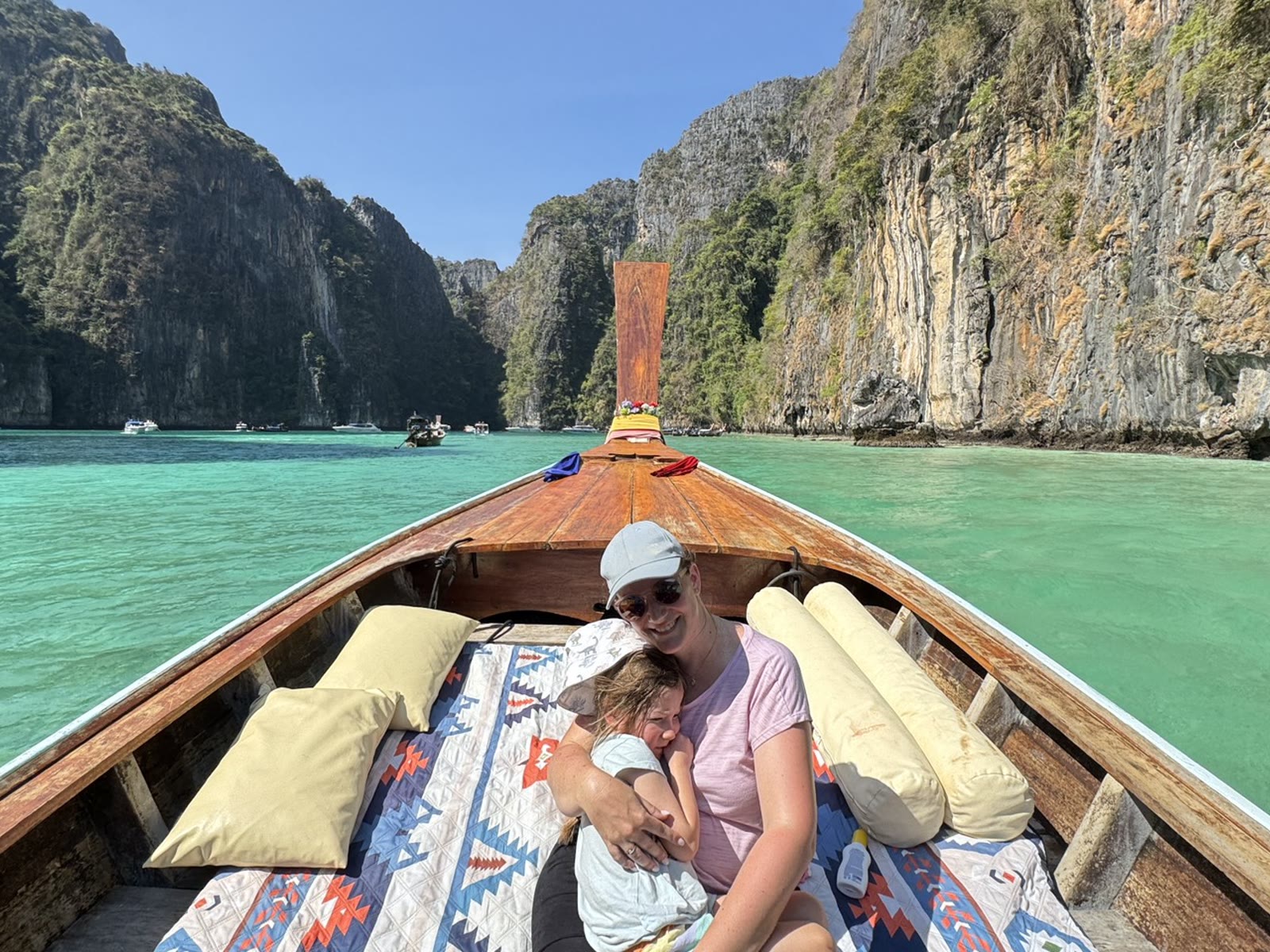
The best day trips from Koh Lanta, and who each one suits
Four Islands, Koh Rok, Koh Haa, Phi Phi — what actually happens on each trip, which boat to take, and how to pick the one that fits your group.
10 min read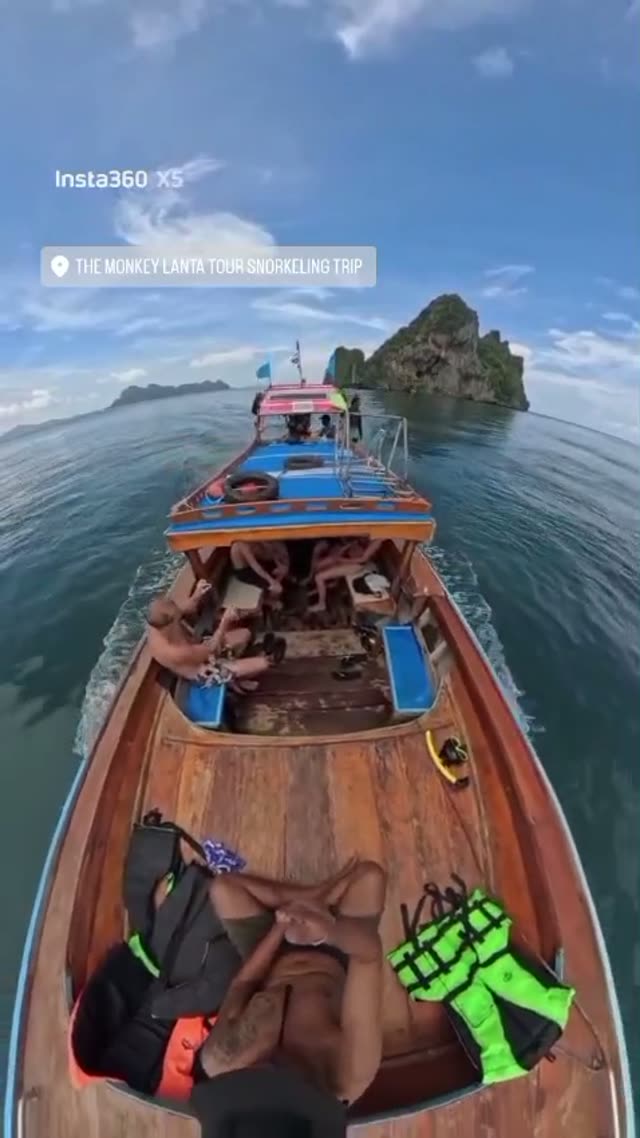
Getting from Krabi Airport to Koh Lanta
The options between Krabi Airport and Koh Lanta, how the car ferry fits in, and what to sort out before you land so the last leg is not the worst part of the trip.
7 min read Taxis and private transfers on Koh Lanta
How getting around Koh Lanta by car actually works, when a van beats a car, and what to have ready when you ask for a quote.
6 min read